Author: admin

  • National Black Cat Day Oct 27

    National Black Cat Day Oct 27

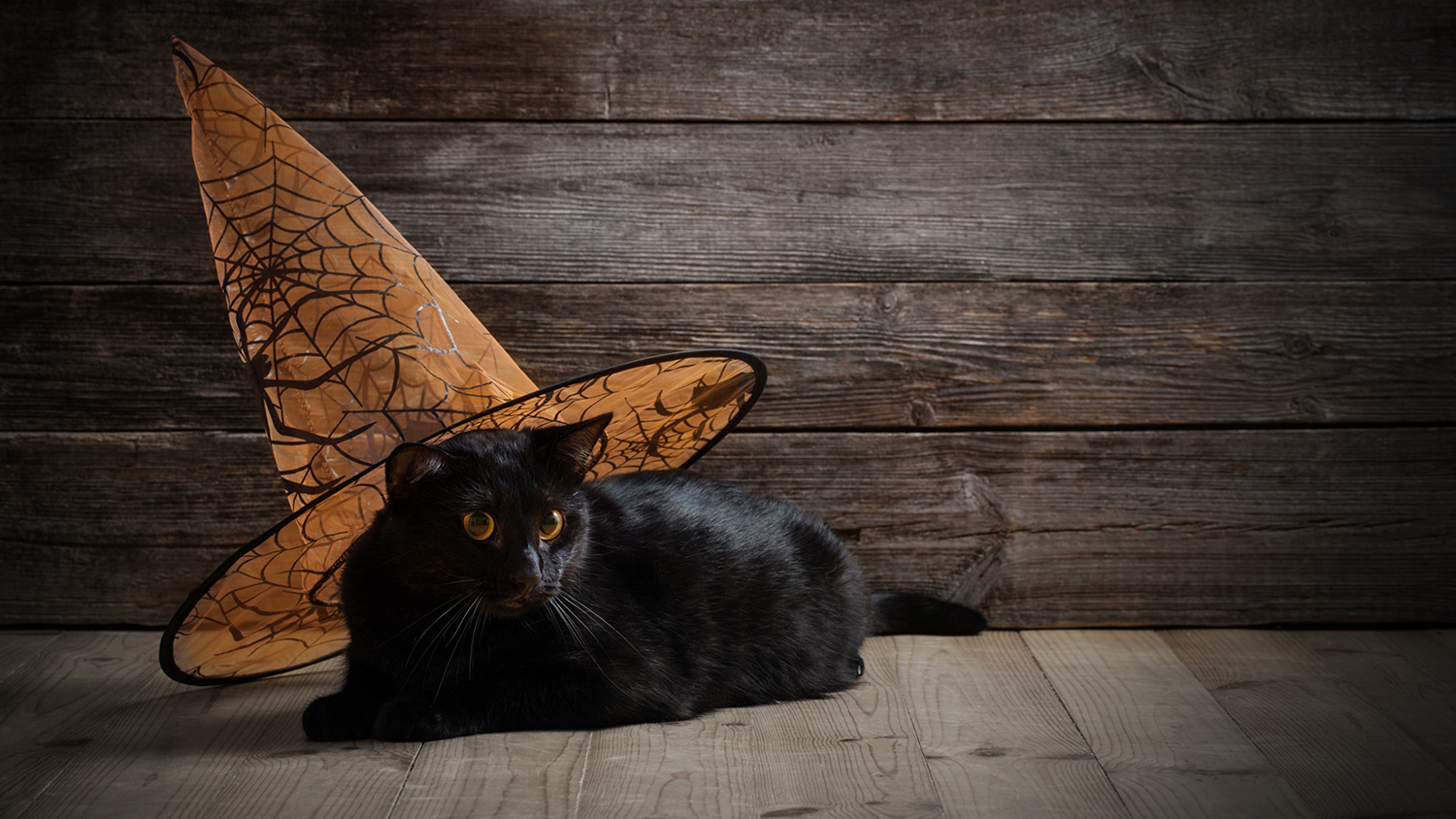
    Cats Protection to spotlight black cats and encourage their adoption, as they often take longer to rehome.

    Black cats are harder to rehome primarily due to a phenomenon known as “Black Cat Syndrome,” which causes them to take up to three times longer to find a home than cats of other colours. According to animal welfare organizations like the RSPCA, black and black-and-white cats make up roughly 70% of all cats in rescue facilities, leading to a severe oversupply.

    Leading animal charities, including Battersea Dogs & Cats Home and Cats Protection, identify several overlapping cultural, visual, and psychological reasons for this bias:

    1. The “Selfie Generation” & Social Media Aesthetics

    In the modern digital age, a major hurdle for black cats is that they are perceived as less photogenic. Potential adopters who want to share photos of their pets on platforms like Instagram often bypass black cats because their features can blend together in poor lighting, making them harder to photograph dynamically compared to vibrant tortoiseshell or tabby cats. [1, 2, 3]

    2. Deep-Rooted Superstitions

    Historical stigma still plays a significant role. In many Western cultures, black cats are traditionally associated with bad luck, witchcraft, and Halloween tropes. Although a black cat crossing your path is considered good luck in British folklore, nearly half of UK rescue centres (48%) still report that lingering negative superstitions actively deter adopters. [1, 2, 3, 4]

    3. “Lack of Distinctive Features” in Shelters

    In a crowded cattery environment, black cats suffer from looking “plain” or uniform. Without the striking stripes of a tabby or the bright patches of a calico, they struggle to stand out visually to people walking through the corridors. Their facial expressions and eye contact can also be harder to read in dimly lit shelter pens, which can make them mistakenly seem aloof or less expressive. [1, 2, 3, 4]

    4. Overwhelming Numbers

    Black is a genetically dominant coat colour, meaning there are simply far more black cats born than ginger or white cats. This creates a mathematical bottleneck in shelters; they flood the system at a rate that far outpaces public adoption preferences. [1, 2]


    Real Perspectives from Pet Owners

    Community threads highlight that while shelters face a steep hurdle, those who do adopt “voids” find them incredibly rewarding:

    “Always had black cats, each one was so smart with big personalities… Animals that need homes should never be judged or picked for their colour.”
  • Changing the Guard in UK Vet Care: What Pet Owners Need to Know

    Changing the Guard in UK Vet Care: What Pet Owners Need to Know

    The UK veterinary market is undergoing its most sweeping transformation in decades. Following a comprehensive inquiry triggered by soaring pet care costs, the Competition and Markets Authority (CMA) published its landmark Veterinary Services Market Investigation Order 2026.  

    These new legally binding rules are designed to give power—and transparency—back to pet owners. Here is a breakdown of what is changing using the fundamental investigative questions: Who, What, Where, Why, and When.


    WHO is affected?

    • Pet Owners: Millions of cat, dog, and small-animal owners across the UK who have struggled to navigate rising treatment bills and hidden fees.
    • Veterinary Practices: Every veterinary business operating in the UK—ranging from single-clinic independent practices to large corporate chains, specialist referral centers, online pet pharmacies, out-of-hours emergency providers, and pet crematoria.  
    • Regulators: The CMA is enforcing the new rules, while the Royal College of Veterinary Surgeons (RCVS) will oversee compliance and integrate practice pricing into its nationwide database.  

    WHAT are the key changes?

    The new legal framework enforces key transparency and consumer-protection remedies:

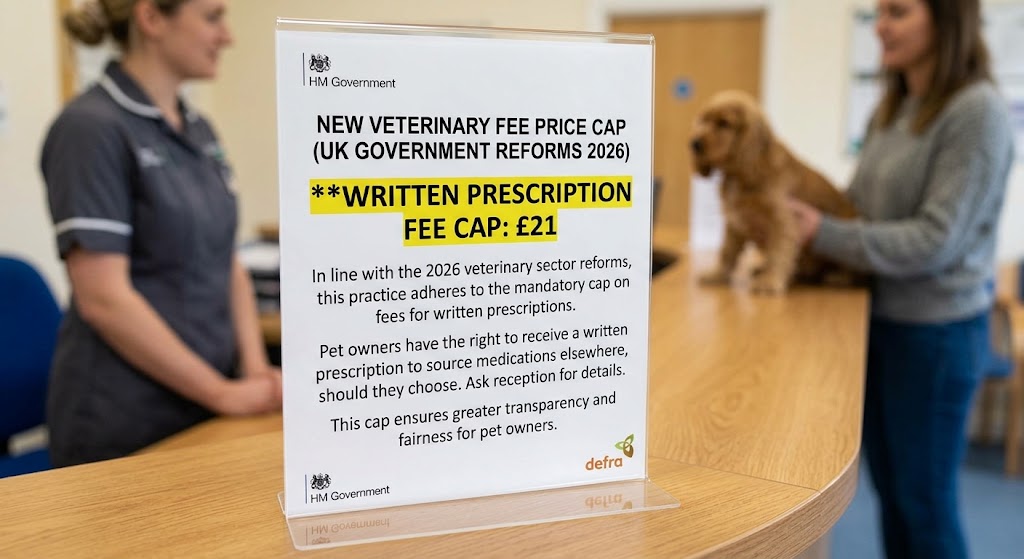
    1. Prescription Fee Caps: Written prescription charges are now legally capped at £21 for the primary medication and £12.50 for each additional medicine within the same consultation. Vets are also required to inform owners that medication can often be bought significantly cheaper online.  
    2. Mandatory Standard Price Lists: Practices must publish standard prices on their websites and in waiting rooms. This covers routine services like consultations, vaccinations, neutering, microchipping, common diagnostic scans, and cremation options.  
    3. Written Estimates for £500+ Treatments: For non-emergency care expected to exceed £500 (including follow-up treatments), practices must provide a written quote and subsequent itemized billing.  
    4. Ownership Transparency: Practices must clearly disclose on their signage, websites, and promotional materials whether they are independently owned or part of a corporate chain.  
    5. Itemized Pet Plans: Monthly wellness plans must outline the precise cost and savings of each individual inclusion rather than bundling them behind vague discounts.
    6. Standardised Complaints Procedures: All practices are required to maintain a formal, written complaints process to address client disputes fairly.  

    WHERE will these changes be visible?

    • At Your Local Surgery: Look out for explicit ownership notices on front door signage, updated price boards in waiting rooms, and physical leaflets explaining written prescription options.
    • Online: Vet clinic websites are now required to display easily accessible price breakdowns and clear disclaimers regarding their corporate parent companies.
    • Comparison Platforms: Information will be fed directly into the RCVS Find a Vet tool, allowing third-party price comparison sites to help pet owners shop around locally.  

    WHY did these changes come to be?

    The CMA launched its investigation after receiving over 56,000 public responses highlighting unfair practices and steep inflation:  

    • Corporate Consolidation: Over the past decade, independent veterinary practices were rapidly bought up by large consolidators. Six major corporate groups ended up controlling nearly 60% of all UK practices, often keeping the original independent practice names and misleading customers.  
    • Significant Price Discrepancies: The CMA found that prices at major corporate groups were, on average, 18.3% higher than at independent practices. Furthermore, vet fees outpaced standard inflation by a substantial margin over several consecutive years.  
    • Lack of Competition & Price Comparison: Over 40% of practices did not list prices online, and less than half of pet owners received advance quotes for non-routine care. This made it nearly impossible for consumers to compare prices during stressful medical situations.  

    WHEN do the rules take effect?

    Following the completion of the investigation, the CMA’s final Order was published, setting out a phased compliance timeline:  

    • December 2026: Larger corporate groups and veterinary chains must meet the initial set of requirements, including price transparency and prescription caps.  
    • 2027 Onward: Independent and single-site practices are granted additional time to adapt their systems and comply with the new reporting standards.  

  • Solve Your Cat’s Hairball and Bad Breath Issues

    Solve Your Cat’s Hairball and Bad Breath Issues

    Dental and Teeth Cleaning, Crunchy Hairball Remedy Remove Snacks,

    Why Is My Cat Gagging and Hacking Up Hairballs? (And How to Fix It Naturally)

    Every cat owner knows the sound: that midnight hacking, coughing, and retching that ends with a unpleasant surprise left on the rug.

    Hairballs are one of the most frustrating parts of cat ownership. But while hairballs are common, frequent hacking isn’t something your cat just has to live with. Understanding why these issues happen—and how to address them early—can save your cat discomfort and save you from endless cleanup duty.   


    Common Pain Points Every Cat Owner Faces

    1. Frequent Hairballs and Digestive Blockages

    When cats groom, their rough tongues trap loose fur, which gets swallowed. Usually, hair passes through the digestive tract smoothly. However, when excess fur accumulates, it forms a lump in the stomach that cannot pass easily, leading to painful retching, vomiting, and potential gut blockages.   

    2. Bad Breath and Tartar Buildup

    Have you noticed a foul odor when your cat yawns or licks you? Plaque and tartar build up rapidly on feline teeth. Left unchecked, bad breath can lead to gum irritation, costly dental extractions at the vet, and uncomfortable chew routines for your pet.   

    3. Toothbrush Trauma

    Brushing a cat’s teeth sounds simple in theory, but in practice, most cats fight back. Wrangling a stressed cat with a tiny toothbrush often leads to scratched arms, a stressed pet, and an abandoned dental routine.

    4. Sluggish Digestion

    Cats need natural fiber to keep their digestive systems moving properly. Without it, fur and food waste can move slowly, leading to constipation, discomfort, and frequent stomach upsets.   


    The All-in-One Solution: Crunchy Dental & Hairball Remedy Treats

    Rather than forcing daily toothbrushing sessions or administering messy hairball gels, you can address both issues simultaneously with a daily crunchy treat.   

    These multi-action treats use a double-pronged approach:

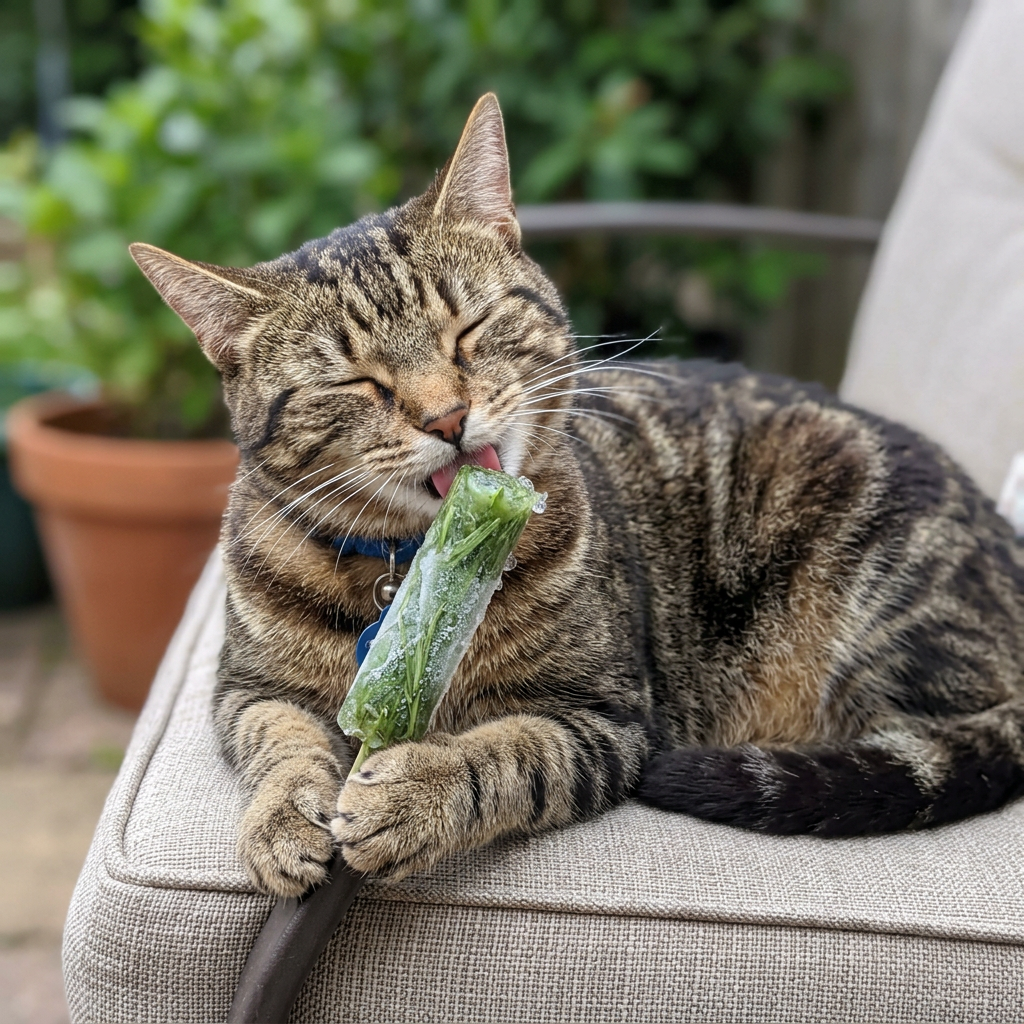
    • Gentle Internal Fiber: Formulated with natural plant fiber (like cat grass), these treats act as a gentle internal “broom.” Instead of forcing fur up through coughing, the fiber helps move swallowed hair through the intestinal tract so it passes naturally and comfortably through their stool.   
    • Abrasive Cleaning Texture: The unique, porous crunch forces your cat to actively bite down and chew. As their teeth sink into the treat, the abrasive texture gently scrapes away plaque and tartar buildup along the gumline, freshening breath without requiring a toothbrush.   

    How to Introduce Dental & Hairball Treats to Your Cat

    1. Daily Prevention: Offer 1–2 treats daily as a reward to maintain consistent fiber intake and daily oral scrubbing.   
    2. For Picky Eaters: Break or crush the crunchy treats over your cat’s regular wet or dry food to entice them with the flavor while delivering health benefits.   
    3. Bonding & Training: Use these treats as high-value rewards during playtime to build trust while supporting their health.   

    Give Your Cat (and Your Rugs) a Break

    You don’t need expensive vet cleanings or messy pastes to keep your cat feeling their best. Switching to a crunchy dual-action treat helps clear digestive blockages before they start while keeping their teeth clean and breath fresh.   

    Check out the Dental & Teeth Cleaning, Crunchy Hairball Remedy Snacks to make daily health care something your cat actually looks forward to!

  • Pet Insurance

    Pet Insurance

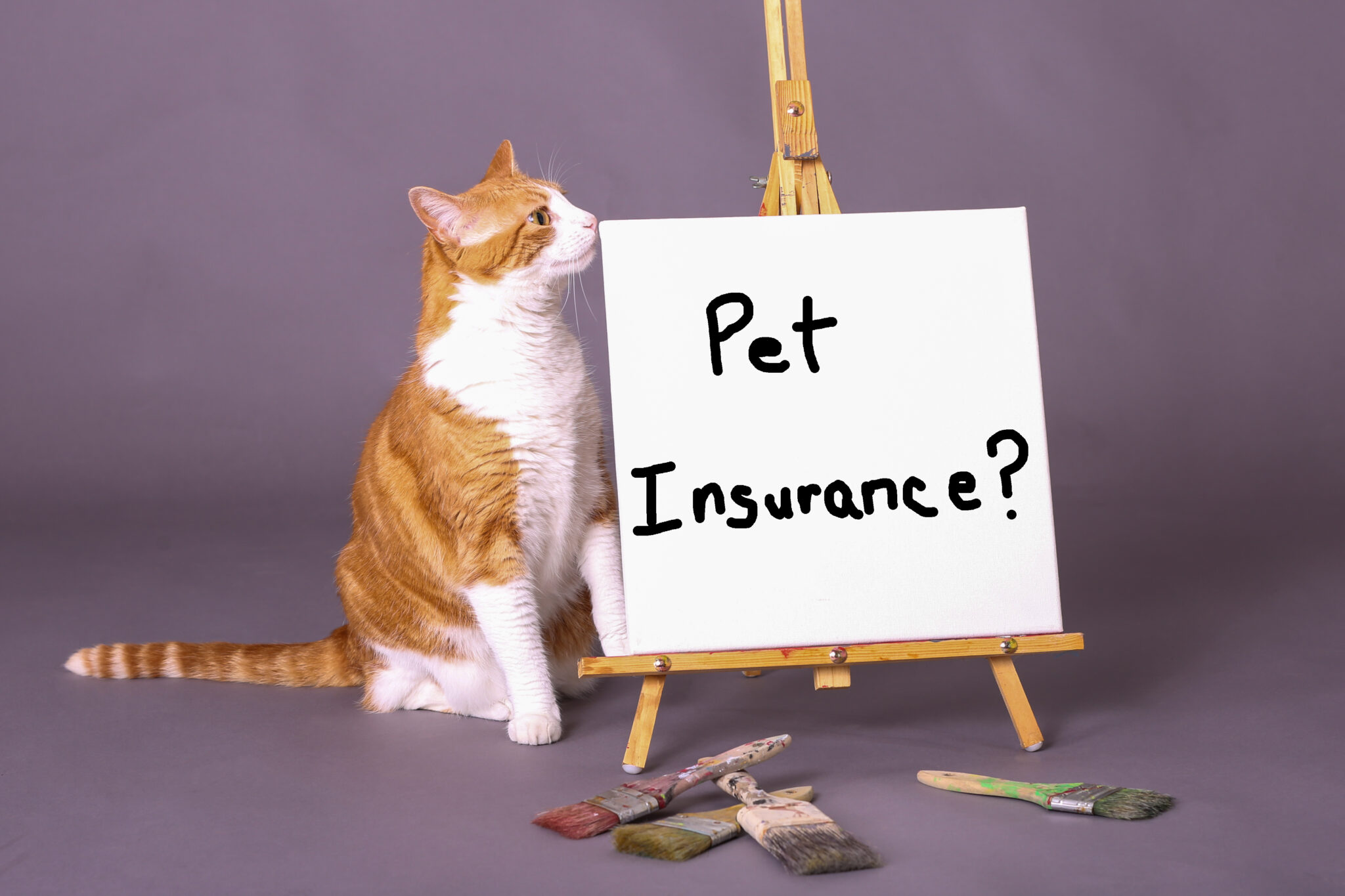
    Understanding Pet Insurance: Pros, Cons, and Key Considerations

    Deciding whether to purchase pet insurance is one of the most important financial and healthcare decisions a pet owner can make. 1 With veterinary care becoming increasingly advanced—and costly—insurance provides a financial framework for managing unexpected illnesses and injuries. 2 However, premiums, policy exclusions, and varying coverage levels mean it may not be the optimal choice for every household. 1  

    Is Pet Insurance Worth It in the UK?

    Source icon

    Perfect Pet Insurance

    Is Pet Insurance Worth It in the UK?

    Source icon

    Perfect Pet Insurance


    The Pros of Pet Insurance

    1. Protection Against High Veterinary Expenses

    The primary advantage of pet insurance is financial protection against sudden, costly emergency medical care. Complex surgeries, cancer treatments, and overnight emergency care can easily cost thousands of pounds. Insurance ensures that care decisions can be made based on medical necessity rather than immediate out-of-pocket affordability.  

    2. Coverage for Chronic & Long-Term Conditions

    With comprehensive options such as Lifetime policies, ongoing conditions (like diabetes, skin allergies, or arthritis) remain covered year after year, provided the policy is continuously renewed. This prevents long-term treatments from becoming a recurring financial strain.  

    3. Extra Non-Veterinary Benefits

    Many policies offer additional protections beyond basic medical bills, including:  

    • Third-Party Liability: Essential cover if a dog causes accidental injury to someone or damages property.  
    • Loss or Stolen Pet Rewards: Reimbursing advertising costs or rewards if a pet goes missing.  
    • Boarding Fees: Covering kennel or cattery expenses if the owner is hospitalized unexpectedly.  

    4. Freedom of Choice

    Unlike human health insurance networks, pet insurance allows owners to visit virtually any licensed veterinarian or specialist clinic without restriction.  


    The Cons of Pet Insurance

    1. Pre-Existing Conditions Are Excluded

    Insurers generally do not cover medical conditions that developed before the policy was taken out. Switching providers after a pet develops a chronic health issue can leave that condition uninsured under the new plan.  

    2. Premiums Rise Over Time

    As pets age, the likelihood of illness increases, leading insurers to raise annual or monthly premiums. In addition, many providers require a higher excess or a percentage contribution (co-payment) towards claims for senior pets.  

    3. Routine Care Is Generally Not Covered

    Standard pet insurance policies do not cover preventative or predictable expenses, such as:  

    • Annual vaccinations and health check-ups  
    • Neutering, spaying, or dental maintenance  
    • Flea, tick, and worming treatments  

    4. Upfront Payment and Excess Requirements

    Most pet insurers operate on a reimbursement model, meaning owners must pay the vet bill up front and submit a claim later. Furthermore, every claim incurs an out-of-pocket excess fee.  


    Types of Pet Insurance Policies

    Policy TypeHow It WorksBest For
    LifetimeReimburses up to a set financial limit per year, which resets annually upon renewal.Comprehensive, long-term protection against chronic illnesses.
    Maximum BenefitProvides a fixed sum per illness/injury; once spent, that condition is excluded for life.Mid-tier budget balancing short-term illnesses and emergencies.
    Time-LimitedCovers conditions up to a financial cap or for a maximum of 12 months from diagnosis.Cost-conscious owners seeking basic cover for acute issues.
    Accident-OnlyOnly pays out for injuries caused by physical accidents, not diseases or medical conditions.Lowest-cost emergency backup plan.

    Export to Sheets


    Is Pet Insurance Worth It?

    Pet insurance is essentially a hedge against unexpected financial risk. For pet owners who have substantial emergency savings available, self-insuring by regularly depositing money into a dedicated savings account may be a viable alternative. However, for those who prefer fixed monthly expenses over the threat of sudden multi-thousand-pound veterinary bills, pet insurance provides crucial financial security and peace of mind.  

  • Cats upset stomach

    The Best Cat Food for Sensitive Stomachs: Solving Digestive Issues Naturally

    For many cat parents, finding a small puddle of vomit or a cylindrical hairball on the carpet has become an accepted, if unpleasant, part of life. We often chalk it up to “just being a cat.” However, feline digestive health is a direct reflection of what goes into their bowl.

    While popular supermarket brands like Whiskas and Felix are household names, many owners are discovering that these budget-friendly options may contribute to a cycle of digestive distress. If you are looking to improve your cat’s internal health and outward appearance, the secret lies in the ingredients.

    Common Digestive Problems in Cats: Is Your Food the Culprit?

    Mainstream brands often rely on cost-cutting measures that can irritate a cat’s specialized anatomy. If your cat experiences persistent vomiting or excessive hairballs, it’s time to look at the back of the packet.

    • Vague Meat Derivatives: “Meat and animal derivatives” are often difficult for cats to process compared to named, high-quality protein sources.
    • Fillers and Grains: High levels of cereals and wheat can lead to stinky litter box odors and flatulence.
    • Artificial Additives: Sugars and artificial colors offer zero nutritional value and can disrupt gut flora, leading to food sensitivities in cats.

    Signs of Poor Nutrient Absorption:

    1. Smelly Stools: If the food isn’t being digested efficiently, the waste produced is significantly more odorous.
    2. Dull, Brittle Coat: A cat’s coat requires high-quality animal fats. When nutrition is spent trying to process fillers, the fur becomes dry and prone to matting.
    3. Frequent Regurgitation: This is often a sign of sensitivity to grain fillers or the rapid expansion of low-quality kibble in the stomach.

    Switching to Harringtons: A Natural Approach to Cat Nutrition

    Upgrading to a natural cat food brand like Harringtons moves the focus from “filler” to “fuel.” By using named protein sources (like freshly prepared chicken) and avoiding common allergens like wheat and soy, you support a healthier gut microbiome.

    Visible Benefits of Premium Cat Food:

    • The “Harringtons Glow”: Richer Omega-3 and Omega-6 oils from salmon oil lead to a silky, glossy coat and healthier skin.
    • Natural Hairball Control: Harringtons products include natural plant fibers that help hair move through the digestive tract smoothly, reducing the need for hairball remedies or pastes.
    • Smaller, Less Odorous Stools: Higher digestibility means more of the food stays in the cat and less ends up as waste.

    Harringtons Product Guide: Which is Right for Your Cat?

    Choosing the right formula is key to managing sensitive digestion:


    The Hidden Savings: Why Premium is Cheaper in the Long Run

    Many owners hesitate at the price of premium kibble, but the cost-per-bowl is often lower:

    1. Nutrient Density: Because Harringtons is more nutrient-dense, you feed smaller portions to satisfy your cat’s hunger.
    2. Eliminating Supplements: You can save money by ditching expensive hairball pastes, digestive gels, or coat conditioners, as the nutrition is already in the food.
    3. Lower Vet Bills: Proactively managing your cat’s health through diet can reduce visits for chronic vomiting and skin irritations.

    The bottom line? When you invest in high-quality cat food, you aren’t just buying a meal—you’re investing in a longer, happier, and shinier life for your feline friend.The “Safety Net” Strategy: Combining Premium Nutrition with Pet Insurance

    While switching to a nutrient-dense diet like Harringtons significantly lowers the risk of lifestyle-related ailments—like chronic vomiting or obesity—nature can still be unpredictable. This is where a robust pet insurance policy becomes your cat’s greatest ally.

    Think of it as a two-tier approach to feline health:

    1. Harringtons manages the “Daily Wellness” (Coat, Digestion, Energy).
    2. Pet Insurance covers the “Unexpected” (Accidents, Hereditary conditions, or Emergency surgeries).

    Why Insurance is Essential—Even for Healthy Cats

    Even the best diet cannot prevent every health hurdle. If your cat develops a condition unrelated to nutrition, such as a heart murmur or a sudden injury, the costs can escalate quickly.

    • Peace of Mind: Instead of choosing between your savings and your cat’s care, insurance ensures you can always say “yes” to the best treatment.
    • Complementary Care: Many modern insurance providers now cover “Complementary Treatments,” which can include specialized dietary consultations or hydrotherapy.
    • The “Pre-existing” Trap: The best time to get insurance is now, while your cat is healthy on their new diet. If you wait until they are unwell, those digestive issues may be classed as “pre-existing conditions” and excluded from future cover.

    Saving on Premiums

    Did you know that maintaining your cat’s health can actually help keep your long-term costs down?

    • Lower Claim Frequency: By feeding a high-quality diet that prevents routine digestive flare-ups, you avoid making small “nuisance claims” that can hike your renewal premiums.
    • Healthy Weight Discounts: Some innovative insurers are now offering rewards or lower rates for pets that maintain a healthy weight—something far easier to achieve with Harringtons’ balanced formulas than with filler-heavy brands.

    Expert Tip: Look for Lifetime Pet Insurance policies. Unlike “accident-only” or “time-limited” plans, Lifetime cover resets your budget every year, ensuring that if a chronic issue does arise, your cat is protected for the rest of their life.