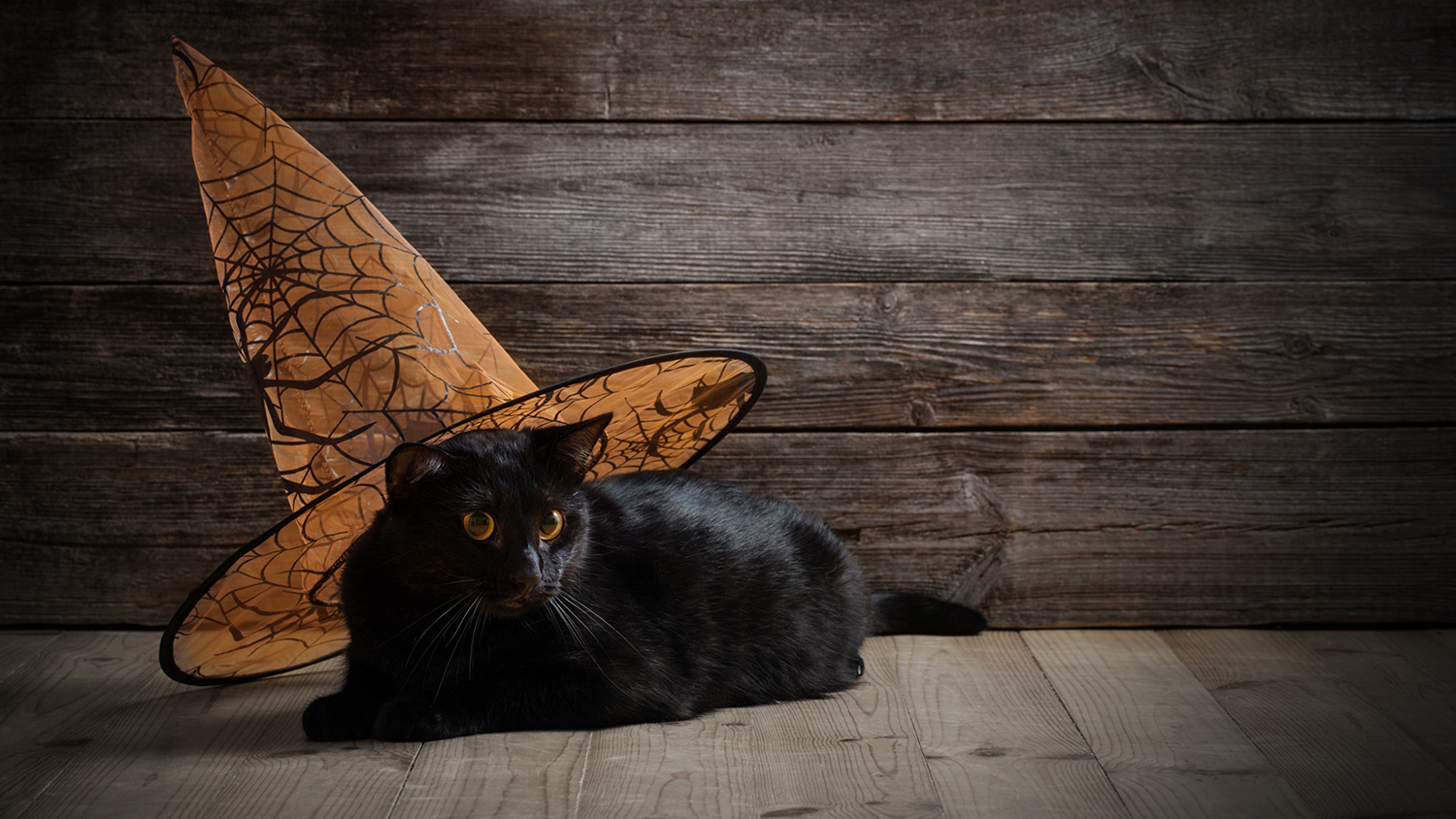
Cats Protection to spotlight black cats and encourage their adoption, as they often take longer to rehome.
Black cats are harder to rehome primarily due to a phenomenon known as “Black Cat Syndrome,” which causes them to take up to three times longer to find a home than cats of other colours. According to animal welfare organizations like the RSPCA, black and black-and-white cats make up roughly 70% of all cats in rescue facilities, leading to a severe oversupply.
Leading animal charities, including Battersea Dogs & Cats Home and Cats Protection, identify several overlapping cultural, visual, and psychological reasons for this bias:
1. The “Selfie Generation” & Social Media Aesthetics
In the modern digital age, a major hurdle for black cats is that they are perceived as less photogenic. Potential adopters who want to share photos of their pets on platforms like Instagram often bypass black cats because their features can blend together in poor lighting, making them harder to photograph dynamically compared to vibrant tortoiseshell or tabby cats. [1, 2, 3]
2. Deep-Rooted Superstitions
Historical stigma still plays a significant role. In many Western cultures, black cats are traditionally associated with bad luck, witchcraft, and Halloween tropes. Although a black cat crossing your path is considered good luck in British folklore, nearly half of UK rescue centres (48%) still report that lingering negative superstitions actively deter adopters. [1, 2, 3, 4]
3. “Lack of Distinctive Features” in Shelters
In a crowded cattery environment, black cats suffer from looking “plain” or uniform. Without the striking stripes of a tabby or the bright patches of a calico, they struggle to stand out visually to people walking through the corridors. Their facial expressions and eye contact can also be harder to read in dimly lit shelter pens, which can make them mistakenly seem aloof or less expressive. [1, 2, 3, 4]
4. Overwhelming Numbers
Black is a genetically dominant coat colour, meaning there are simply far more black cats born than ginger or white cats. This creates a mathematical bottleneck in shelters; they flood the system at a rate that far outpaces public adoption preferences. [1, 2]
Real Perspectives from Pet Owners
Community threads highlight that while shelters face a steep hurdle, those who do adopt “voids” find them incredibly rewarding:
“Always had black cats, each one was so smart with big personalities… Animals that need homes should never be judged or picked for their colour.”
Leave a Reply