Category: Uncategorized

  • National Black Cat Day Oct 27

    National Black Cat Day Oct 27

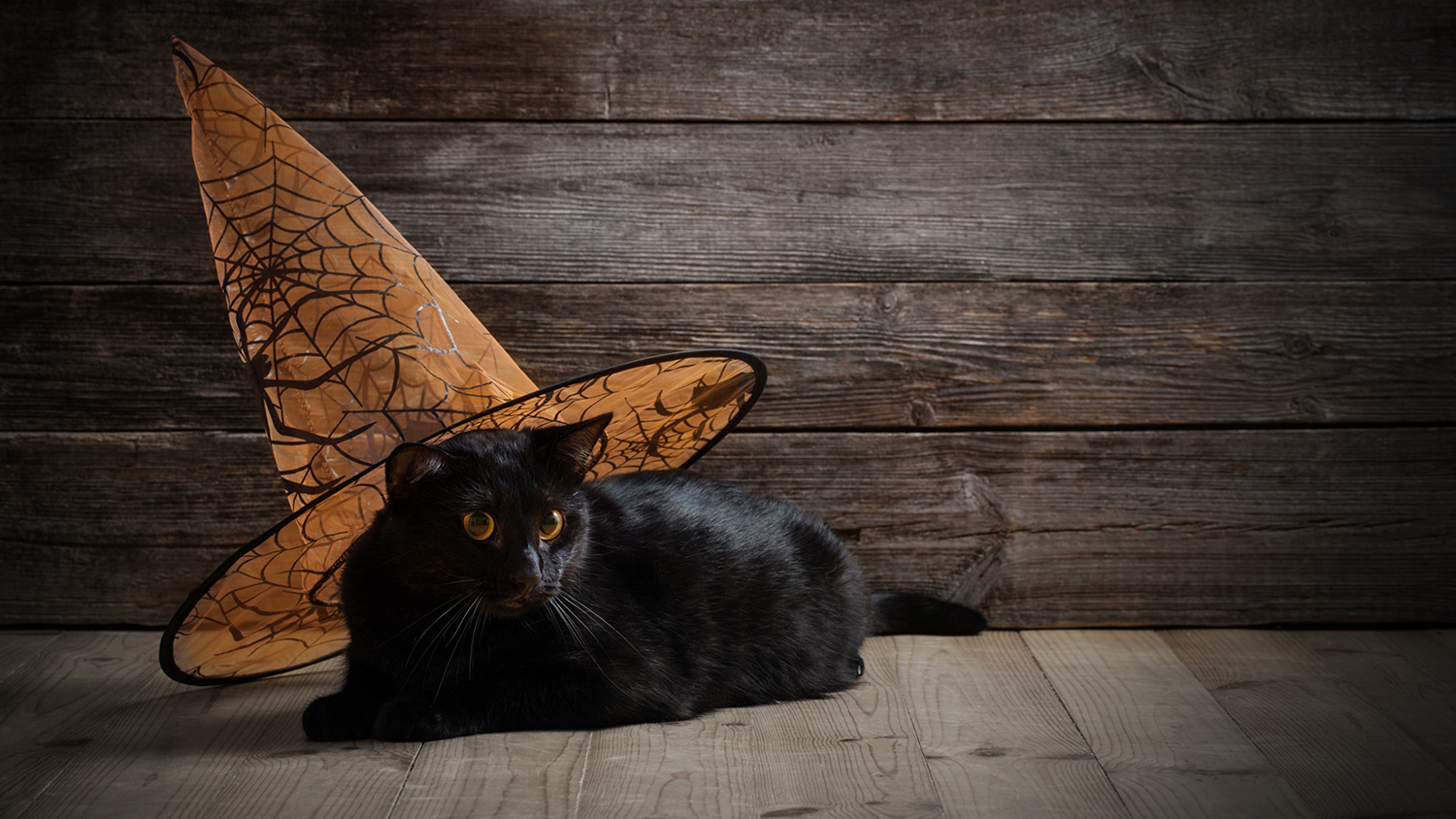
    Cats Protection to spotlight black cats and encourage their adoption, as they often take longer to rehome.

    Black cats are harder to rehome primarily due to a phenomenon known as “Black Cat Syndrome,” which causes them to take up to three times longer to find a home than cats of other colours. According to animal welfare organizations like the RSPCA, black and black-and-white cats make up roughly 70% of all cats in rescue facilities, leading to a severe oversupply.

    Leading animal charities, including Battersea Dogs & Cats Home and Cats Protection, identify several overlapping cultural, visual, and psychological reasons for this bias:

    1. The “Selfie Generation” & Social Media Aesthetics

    In the modern digital age, a major hurdle for black cats is that they are perceived as less photogenic. Potential adopters who want to share photos of their pets on platforms like Instagram often bypass black cats because their features can blend together in poor lighting, making them harder to photograph dynamically compared to vibrant tortoiseshell or tabby cats. [1, 2, 3]

    2. Deep-Rooted Superstitions

    Historical stigma still plays a significant role. In many Western cultures, black cats are traditionally associated with bad luck, witchcraft, and Halloween tropes. Although a black cat crossing your path is considered good luck in British folklore, nearly half of UK rescue centres (48%) still report that lingering negative superstitions actively deter adopters. [1, 2, 3, 4]

    3. “Lack of Distinctive Features” in Shelters

    In a crowded cattery environment, black cats suffer from looking “plain” or uniform. Without the striking stripes of a tabby or the bright patches of a calico, they struggle to stand out visually to people walking through the corridors. Their facial expressions and eye contact can also be harder to read in dimly lit shelter pens, which can make them mistakenly seem aloof or less expressive. [1, 2, 3, 4]

    4. Overwhelming Numbers

    Black is a genetically dominant coat colour, meaning there are simply far more black cats born than ginger or white cats. This creates a mathematical bottleneck in shelters; they flood the system at a rate that far outpaces public adoption preferences. [1, 2]


    Real Perspectives from Pet Owners

    Community threads highlight that while shelters face a steep hurdle, those who do adopt “voids” find them incredibly rewarding:

    “Always had black cats, each one was so smart with big personalities… Animals that need homes should never be judged or picked for their colour.”
  • Solve Your Cat’s Hairball and Bad Breath Issues

    Solve Your Cat’s Hairball and Bad Breath Issues

    Dental and Teeth Cleaning, Crunchy Hairball Remedy Remove Snacks,

    Why Is My Cat Gagging and Hacking Up Hairballs? (And How to Fix It Naturally)

    Every cat owner knows the sound: that midnight hacking, coughing, and retching that ends with a unpleasant surprise left on the rug.

    Hairballs are one of the most frustrating parts of cat ownership. But while hairballs are common, frequent hacking isn’t something your cat just has to live with. Understanding why these issues happen—and how to address them early—can save your cat discomfort and save you from endless cleanup duty.   


    Common Pain Points Every Cat Owner Faces

    1. Frequent Hairballs and Digestive Blockages

    When cats groom, their rough tongues trap loose fur, which gets swallowed. Usually, hair passes through the digestive tract smoothly. However, when excess fur accumulates, it forms a lump in the stomach that cannot pass easily, leading to painful retching, vomiting, and potential gut blockages.   

    2. Bad Breath and Tartar Buildup

    Have you noticed a foul odor when your cat yawns or licks you? Plaque and tartar build up rapidly on feline teeth. Left unchecked, bad breath can lead to gum irritation, costly dental extractions at the vet, and uncomfortable chew routines for your pet.   

    3. Toothbrush Trauma

    Brushing a cat’s teeth sounds simple in theory, but in practice, most cats fight back. Wrangling a stressed cat with a tiny toothbrush often leads to scratched arms, a stressed pet, and an abandoned dental routine.

    4. Sluggish Digestion

    Cats need natural fiber to keep their digestive systems moving properly. Without it, fur and food waste can move slowly, leading to constipation, discomfort, and frequent stomach upsets.   


    The All-in-One Solution: Crunchy Dental & Hairball Remedy Treats

    Rather than forcing daily toothbrushing sessions or administering messy hairball gels, you can address both issues simultaneously with a daily crunchy treat.   

    These multi-action treats use a double-pronged approach:

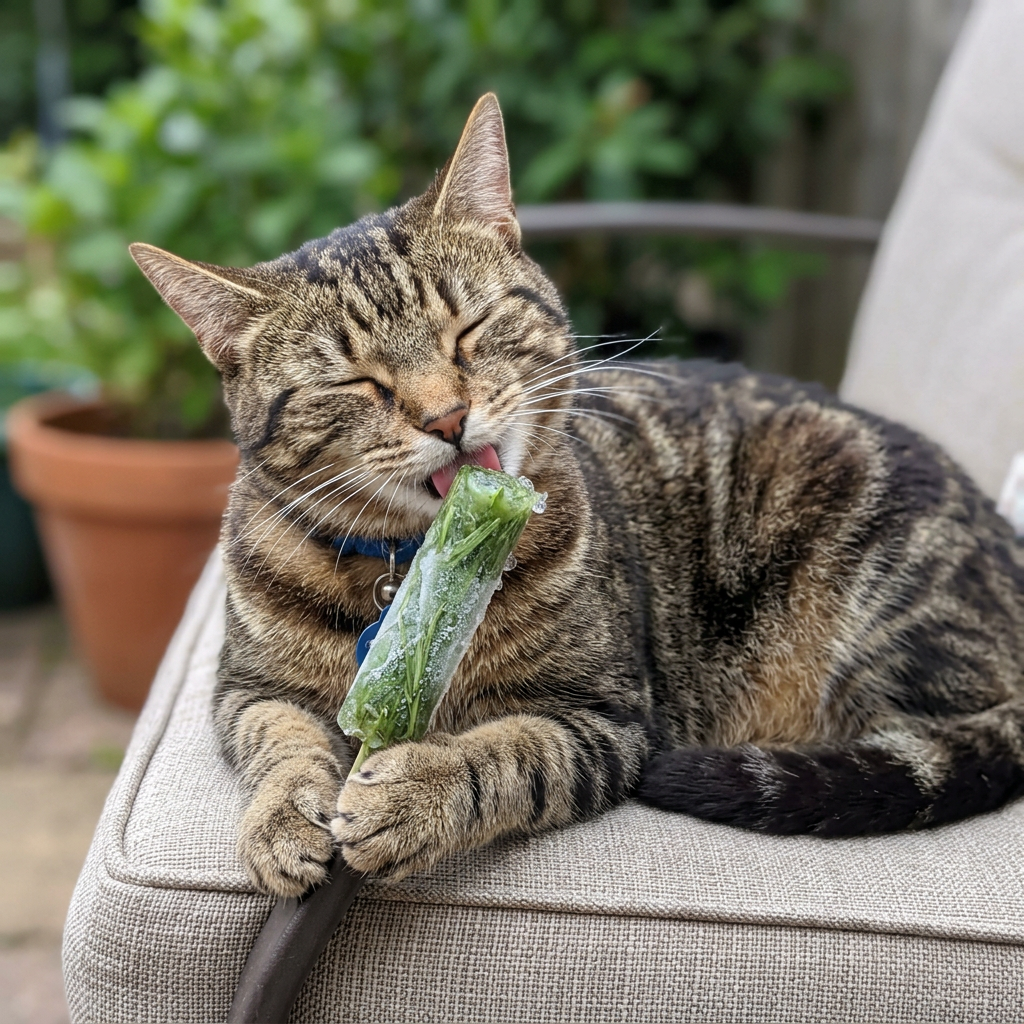
    • Gentle Internal Fiber: Formulated with natural plant fiber (like cat grass), these treats act as a gentle internal “broom.” Instead of forcing fur up through coughing, the fiber helps move swallowed hair through the intestinal tract so it passes naturally and comfortably through their stool.   
    • Abrasive Cleaning Texture: The unique, porous crunch forces your cat to actively bite down and chew. As their teeth sink into the treat, the abrasive texture gently scrapes away plaque and tartar buildup along the gumline, freshening breath without requiring a toothbrush.   

    How to Introduce Dental & Hairball Treats to Your Cat

    1. Daily Prevention: Offer 1–2 treats daily as a reward to maintain consistent fiber intake and daily oral scrubbing.   
    2. For Picky Eaters: Break or crush the crunchy treats over your cat’s regular wet or dry food to entice them with the flavor while delivering health benefits.   
    3. Bonding & Training: Use these treats as high-value rewards during playtime to build trust while supporting their health.   

    Give Your Cat (and Your Rugs) a Break

    You don’t need expensive vet cleanings or messy pastes to keep your cat feeling their best. Switching to a crunchy dual-action treat helps clear digestive blockages before they start while keeping their teeth clean and breath fresh.   

    Check out the Dental & Teeth Cleaning, Crunchy Hairball Remedy Snacks to make daily health care something your cat actually looks forward to!

  • Pet Insurance

    Pet Insurance

    Understanding Pet Insurance: Pros, Cons, and Key Considerations

    Deciding whether to purchase pet insurance is one of the most important financial and healthcare decisions a pet owner can make. 1 With veterinary care becoming increasingly advanced—and costly—insurance provides a financial framework for managing unexpected illnesses and injuries. 2 However, premiums, policy exclusions, and varying coverage levels mean it may not be the optimal choice for every household. 1  

    Is Pet Insurance Worth It in the UK?

    Source icon

    Perfect Pet Insurance

    Is Pet Insurance Worth It in the UK?

    Source icon

    Perfect Pet Insurance


    The Pros of Pet Insurance

    1. Protection Against High Veterinary Expenses

    The primary advantage of pet insurance is financial protection against sudden, costly emergency medical care. Complex surgeries, cancer treatments, and overnight emergency care can easily cost thousands of pounds. Insurance ensures that care decisions can be made based on medical necessity rather than immediate out-of-pocket affordability.  

    2. Coverage for Chronic & Long-Term Conditions

    With comprehensive options such as Lifetime policies, ongoing conditions (like diabetes, skin allergies, or arthritis) remain covered year after year, provided the policy is continuously renewed. This prevents long-term treatments from becoming a recurring financial strain.  

    3. Extra Non-Veterinary Benefits

    Many policies offer additional protections beyond basic medical bills, including:  

    • Third-Party Liability: Essential cover if a dog causes accidental injury to someone or damages property.  
    • Loss or Stolen Pet Rewards: Reimbursing advertising costs or rewards if a pet goes missing.  
    • Boarding Fees: Covering kennel or cattery expenses if the owner is hospitalized unexpectedly.  

    4. Freedom of Choice

    Unlike human health insurance networks, pet insurance allows owners to visit virtually any licensed veterinarian or specialist clinic without restriction.  


    The Cons of Pet Insurance

    1. Pre-Existing Conditions Are Excluded

    Insurers generally do not cover medical conditions that developed before the policy was taken out. Switching providers after a pet develops a chronic health issue can leave that condition uninsured under the new plan.  

    2. Premiums Rise Over Time

    As pets age, the likelihood of illness increases, leading insurers to raise annual or monthly premiums. In addition, many providers require a higher excess or a percentage contribution (co-payment) towards claims for senior pets.  

    3. Routine Care Is Generally Not Covered

    Standard pet insurance policies do not cover preventative or predictable expenses, such as:  

    • Annual vaccinations and health check-ups  
    • Neutering, spaying, or dental maintenance  
    • Flea, tick, and worming treatments  

    4. Upfront Payment and Excess Requirements

    Most pet insurers operate on a reimbursement model, meaning owners must pay the vet bill up front and submit a claim later. Furthermore, every claim incurs an out-of-pocket excess fee.  


    Types of Pet Insurance Policies

    Policy TypeHow It WorksBest For
    LifetimeReimburses up to a set financial limit per year, which resets annually upon renewal.Comprehensive, long-term protection against chronic illnesses.
    Maximum BenefitProvides a fixed sum per illness/injury; once spent, that condition is excluded for life.Mid-tier budget balancing short-term illnesses and emergencies.
    Time-LimitedCovers conditions up to a financial cap or for a maximum of 12 months from diagnosis.Cost-conscious owners seeking basic cover for acute issues.
    Accident-OnlyOnly pays out for injuries caused by physical accidents, not diseases or medical conditions.Lowest-cost emergency backup plan.

    Export to Sheets


    Is Pet Insurance Worth It?

    Pet insurance is essentially a hedge against unexpected financial risk. For pet owners who have substantial emergency savings available, self-insuring by regularly depositing money into a dedicated savings account may be a viable alternative. However, for those who prefer fixed monthly expenses over the threat of sudden multi-thousand-pound veterinary bills, pet insurance provides crucial financial security and peace of mind.